10 Rules For Writing A Compelling ‘About Me’ Page

Writing the perfect pitch and crafting a compelling bio is difficult. That’s why whole industries exist to enable us to tell our stories better. Copywriters, creative directors and brand strategists like me wouldn’t exist if it was easy to articulate the essence of what we do, and communicate how and why we do it.

There’s no way around it, you need to spend some serious time and energy on your about page, because it’s probably one of the most visited pages on your website.

How To Write A Compelling About Page


1. Know who you’re talking to.

This is the most overlooked aspect of brand and business communication. Every message you craft should begin by understanding the audience it’s intended for. If you don’t know who you’re talking to how can you tell them what they want and need to hear? Start with why, but don’t forget who.

2. Don’t just lead with the facts.
People need to know more about the real you. Facts alone don’t persuade. Make your website a window and not a wall.

3. Share your values.
Tell people who you are and what you believe.

4. Show yourself.
Build trust by adding a well shot photo to your bio and about page. Your potential clients like to look into your eyes.

5. Tell the story of your professional journey.
Explain how you got to where you are today. This doesn’t have to be a chronological list. Make it interesting. Enable people to understand how you know what you know.

6. Tell people how you can help them.
Be specific, add links to products and services.

7. Demonstrate how you’ve provided solutions for others.
Link to your portfolio and list projects you’ve worked on.

8. Give a sense of what it’s like to work with you and show people why they can trust you.
Add client testimonials and stories about how you work.

9. Add a contact link.
Your about page should not only provide information and build trust, it must also encourage potential clients to get in touch.

10. Don’t make it all about you.
Share some insights about what you have in common with your audience.

*Bonus* Write like you speak.
I know it’s tempting to add words you never use but you’ll just end up sounding unlike you. If you’re having trouble with this try speaking and recording your story first, then write up the best bits.

Examples Of About Pages That Work

Matt Cheuvront
Matt manages to communicate so much in just a couple of paragraphs.
He built trust with me in just the first couple of lines by putting his values front and centre.

Ishita Gupta
I love how Ishita, paints her personal picture in the last line.
“She’s a twin (not identical), lives in New York City, and her eyes disappear when she smiles.”

Seth Godin
Notice how much information can be packed into one line.
“You can read his wikipedia bio, reviews of his seminars and what Google thinks of him.”

Eric Karjaluto
Nice and succinct, lots of proof in the first paragraph and the human touch;
“He still talks to his mom and dad almost every day.”

Mari Smith
Mari’s approachable first person tone on her Google+ profile is on brand.


What challenges have you faced when writing your bio? Do you have favourite bios and about pages to share?


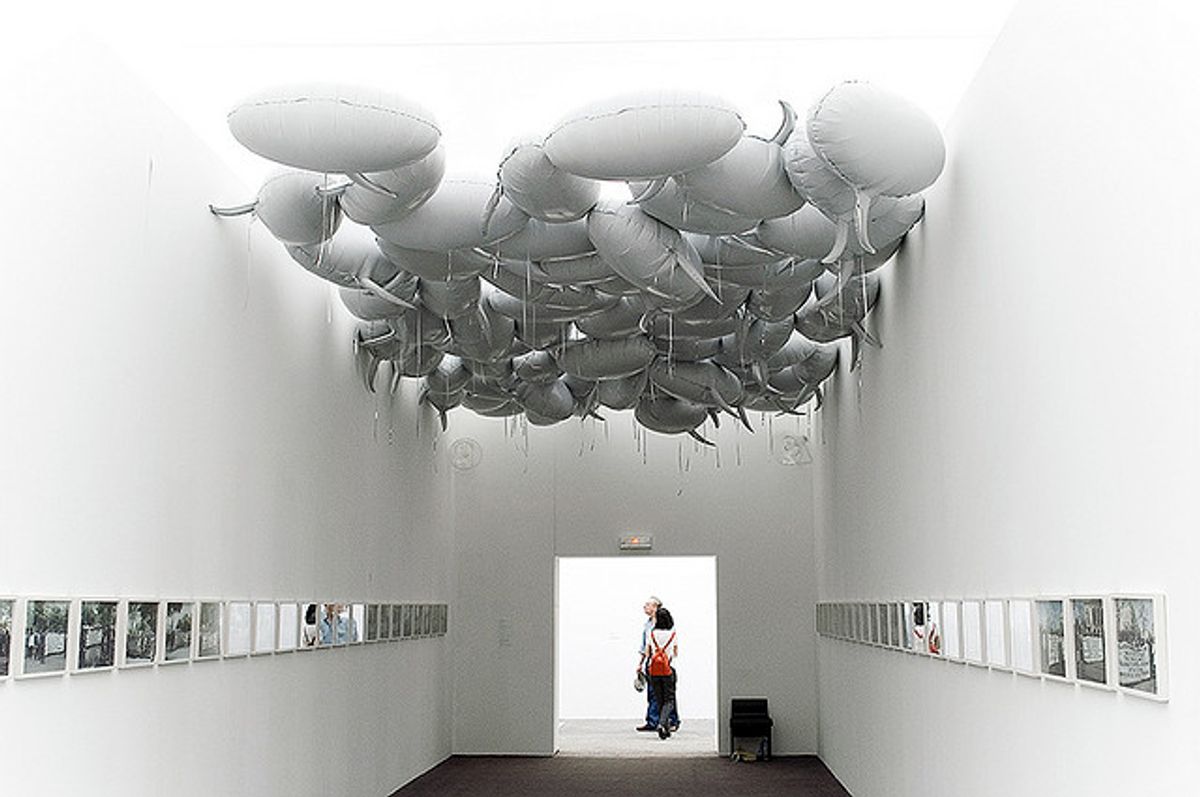
Image by Looking 4 Poetry.

You Might Also Like…

  • Anonymous

    About pages are so tough to write! You gave great examples in the links.

    One thing I’d add is something subtly alluded to in the examples you gave: find a way to humanize the thing! Show us your soul. You talked about this in #2, and the examples had little tidbits that made the person more human, less robotic :)

    • http://thestoryoftelling.com Bernadette Jiwa

      Hi Reese,

      Yes they are as we well know!
      Totally agree with you on humanising about pages. Designers are particularly bad at doing this for some reason. I think it’s their quest for perfection that gets in the way :) .

      I see this fear in clients all the time, it makes their website a wall rather than a window (must add that to the post).
      That’s why I created The Hero’s Story Program.

  • http://www.interactivedata.be/ Didier Daglinckx

    Thanks for those guidelines Bernadette.

    Do you have other examples of let say “normal” people ?
    (I mean no superstars)

    • http://thestoryoftelling.com Bernadette Jiwa

      Hi Didier,

      Well mine isn’t too bad :)

      http://thestoryoftelling.com/about/

      Still superstars to me, here are a couple more.

      Susannah Conway http://www.susannahconway.com/about-contact/

      Tara Gentile http://www.taragentile.com/about-2/

      I’ll be adding more links to the post when I’ve finished working with my clients in The Hero’s Story program at the end of this month.

      • http://www.interactivedata.be/ Didier Daglinckx

        >Well mine isn’t too bad :)

        I meant no superstars …
        :-)

        Thanks for the answer !

        • http://thestoryoftelling.com Bernadette Jiwa

          Hi Didier,

          Do you have any examples that stand out to you?

  • http://tamishaford.com Tamisha Ford

    Love it, Bernadette! I think another great thing I’ve seen is to incorporate video so your customer can hear your voice and see your passion. You mentioned in your video with Tara Gentile recently how passionate she seemed. That could probably only be conveyed via that video. We were able to see it AND hear it, simultaneously. Another great idea.

    • http://thestoryoftelling.com Bernadette Jiwa

      Hi Tamisha,

      Thanks!

      I hesitate to suggest video as it’s so easy for it to look and sound tacky in certain situations. Talking to camera is not something that most people find easy to do.

      I do agree with you that giving clients a sense of you in action through video and audio is a great idea. Adding links to you speaking or interviewing works well.

  • Anonymous

    Here is an about page example I love. Kelly is a copywriter, but still–it’s just thorough, fun, and makes me want to keep reading:

    http://www.copylicious.com/about-us/

    The one I did for my header site here reflects Bernadette’s amazing help/insights:
    http://byreese.com/about/

    • http://thestoryoftelling.com Bernadette Jiwa

      Thanks Reese, I always think copywriters have an unfair advantage. But then the pressure is really on them to show that they know their stuff :) .

  • Pingback: Best of the Web Book Marketing Tips for the Week of September 26, 2011 - Author Marketing Experts, Inc.

  • Pingback: Information Matters : Don’t Forget About You

  • Al Philipson

    Try this one out for size: http://alphilipson.wordpress.com/about-2/

  • Pingback: Improve Your “About You” Webpage | Author EMS

  • http://www.lifewithoutpants.com Matt Cheuvront

    Just now stumbled across this post and wanted to thank you for including me! I’m glad I was able to say a lot, without saying a lot. Cheers!

    • http://thestoryoftelling.com/ Bernadette Jiwa

      See Matt, you have such a way with words.

  • http://www.facebook.com/natashia.jefferies Natashia Jefferies

    This was just the article I was looking for! Thank you for giving me great tips and showing me real examples of wonderful bios. :)

    • http://thestoryoftelling.com/ Bernadette Jiwa

      You’re welcome Natashia, glad it helped.

  • Pingback: 10 Rules Or How To Write A Compelling ‘ABOUT ME’ Page « kimmblog

  • Kristin (Doodie Pack)

    There is a great debate as to whether it should be in first or third person narrative. Can you respond?

    On another note.…thrilled about the link to Simon Sinek’s “Start with Why”. I JUST finished his book! How is that!?!

    • http://thestoryoftelling.com/ Bernadette Jiwa

      Hi Kristin,

      For your business it would be good to divide the page into sections.
      About the business/product and then about you the founder and your inspiration in first person.

      • Kristin (Doodie Pack)

        Thank you so much. I like that idea. In fact, I was thinking I might do just that, but embed a bit of video for the first person section. I appreciate your thoughts!

  • http://www.facebook.com/profile.php?id=1174860069 Jake West

    Hello! Thanks for writing this article, it’s been a great help. I do have one question for you, though. Of the people you mentioned as having excellent bio pages, I noticed 4 of the 5 wrote in the third person. So my question is, is one way considered better or more proper than the other?

    • http://thestoryoftelling.com/ Bernadette Jiwa

      Hi Jake,

      A lot depends on your profile and how you want to relate to your audience.
      Think about who your reader is and how you want to speak to them.
      Mine is in first person because it feels authentic to me and I want to speak directly to the reader.
      If your about page is for a blog from example first person works better because a blog is about making a personal connection with the reader.
      Hope that helps.

Get free articles & a brand strategy workbook in your inbox.